Tracing Milestone Incentives Across Portable Platforms Powered by Digital Assets
Drew Franke · Sep 27, 2026
Tracing Milestone Incentives Across Portable Platforms Powered by Digital Assets
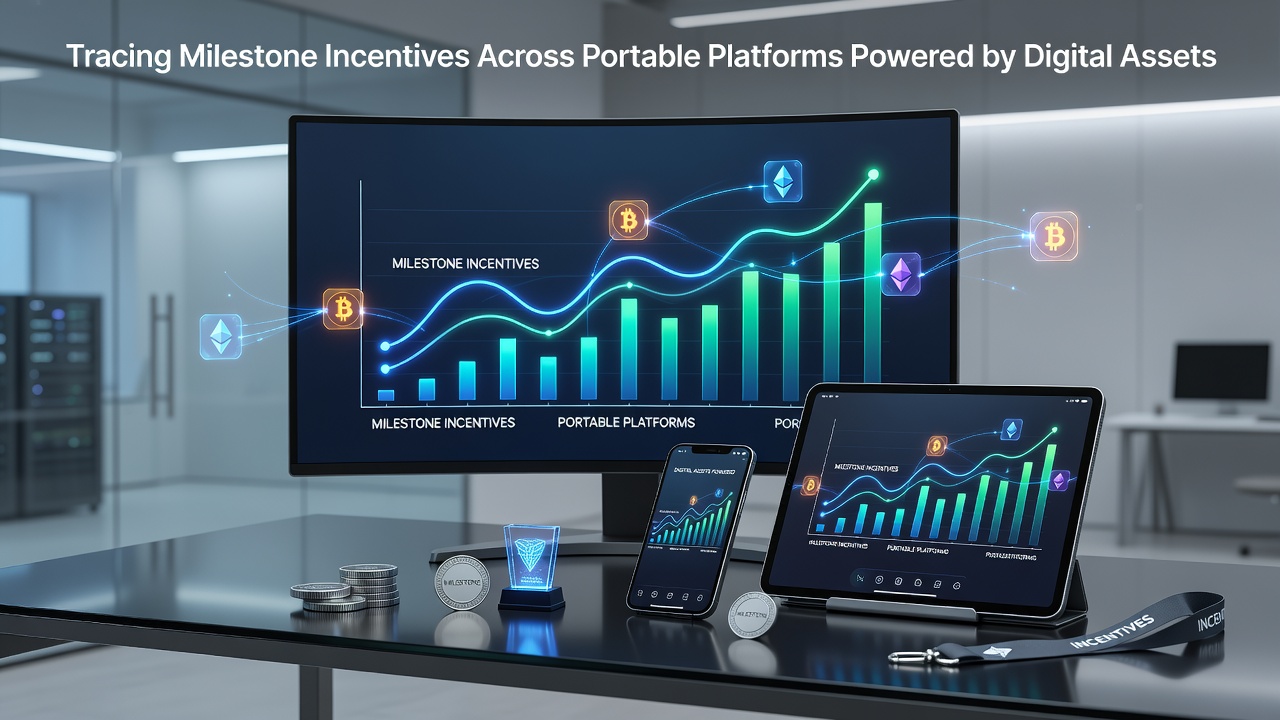
Digital asset systems have integrated into mobile platforms to manage milestone incentives, which reward users for completing sequential achievements in gaming and interactive applications. These structures rely on blockchain ledgers that record progress across devices without centralized databases, allowing seamless transitions between sessions on smartphones and tablets. In September 2026, several platforms reported expanded adoption of such systems as developers refined token-based tracking for user retention metrics.
Portable platforms operate through app ecosystems where digital assets function as verifiable markers of completed milestones. Users earn fractions of tokens or non-fungible assets upon reaching targets like level completions or engagement streaks, with each transaction timestamped on distributed networks. Observers note that this approach reduces discrepancies that once arose when data synced between multiple devices, since the ledger serves as the single source of truth.
Mechanics of Digital Asset Tracking in Mobile Environments
Algorithms embedded in mobile applications match user activity to predefined incentive tiers, then issue corresponding digital assets through smart contracts. These contracts execute automatically once conditions are met, transferring assets to user wallets linked to the app profile. Researchers have documented how this process supports cross-platform continuity, as the asset ownership persists regardless of the operating system or hardware used.
Data from industry reports indicates that platforms employing these methods saw measurable increases in repeat engagement during the first half of 2026. The systems log each milestone in immutable blocks, which users and operators can audit independently. This transparency helps resolve disputes over reward eligibility without requiring manual intervention from support teams.
Integration Patterns Across Diverse Portable Devices
Developers have adapted incentive pathways for both iOS and Android environments, where digital wallets interface directly with app stores and payment gateways. One study revealed that users on portable devices completed milestone sequences at higher rates when assets carried transferable value outside the original application. Wallets compatible with multiple chains allow assets earned on one platform to appear in another, provided the ecosystems share protocol standards.
Figures from regulatory filings show that operators in North America and parts of Asia incorporated these features into their mobile offerings by mid-2026. The approach aligns with broader shifts toward decentralized finance tools in entertainment software, where asset flows replace traditional point systems that remain siloed within single apps.
Regional Developments and Reporting Standards
According to data compiled by the Australian Communications and Media Authority, mobile platforms using digital asset incentives expanded their user bases in several jurisdictions during 2026. Reports detail how sequential reward layers are calibrated to local regulations, with assets sometimes converted to fiat equivalents upon withdrawal. Canadian provincial regulators have similarly examined these models, focusing on how asset valuation affects consumer protection requirements.
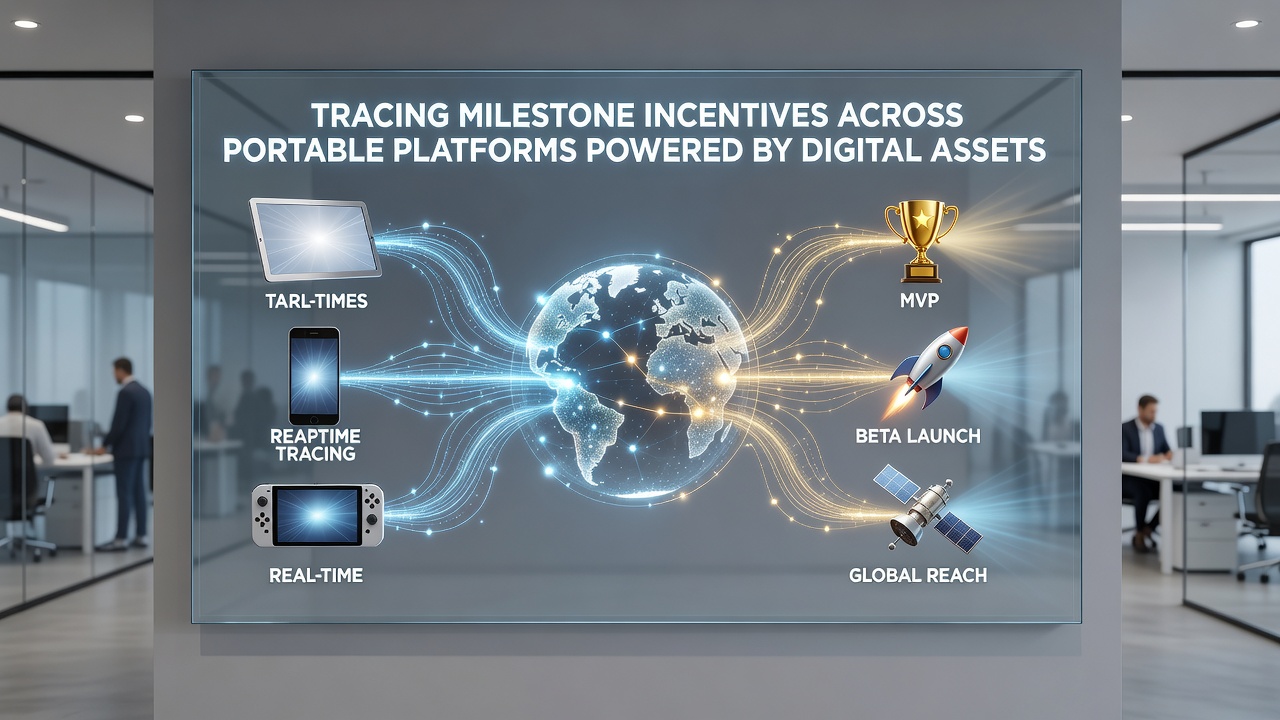
Take one analysis from the European Gaming and Betting Association that examined algorithmic distribution of tailored incentives in interactive environments. The findings highlighted that portable platforms reduced processing times for milestone claims from days to minutes once blockchain confirmation replaced legacy verification steps. Users often discover that asset balances update in real time across linked devices, which supports uninterrupted progression through layered programs.
Future Trajectories for Asset-Powered Incentive Systems
Industry organizations project continued refinement of matching systems that distribute incentives based on behavioral data collected from portable devices. These systems prioritize privacy-compliant data flows while maintaining verifiable records of each milestone. Evidence suggests that platforms will increasingly link digital assets to external marketplaces, allowing users to trade earned rewards beyond the originating application.
What's interesting is how the combination of mobile hardware sensors and ledger technology creates new verification methods for physical-world actions tied to digital milestones. Observers note that September 2026 marked several pilot programs testing these hybrid approaches in live environments, with results feeding into broader platform updates scheduled for later quarters.
Conclusion
Tracing milestone incentives across portable platforms powered by digital assets reveals a shift toward decentralized record-keeping that supports consistent user experiences across devices and regions. As adoption grows, the focus remains on verifiable transactions, regulatory alignment, and seamless asset portability that keeps engagement pathways intact regardless of hardware changes.