Tracing Player Progression Through Incentive Layers Enabled by Digital Asset Integration in Portable Gaming Systems
Paul Reed · Oct 11, 2026
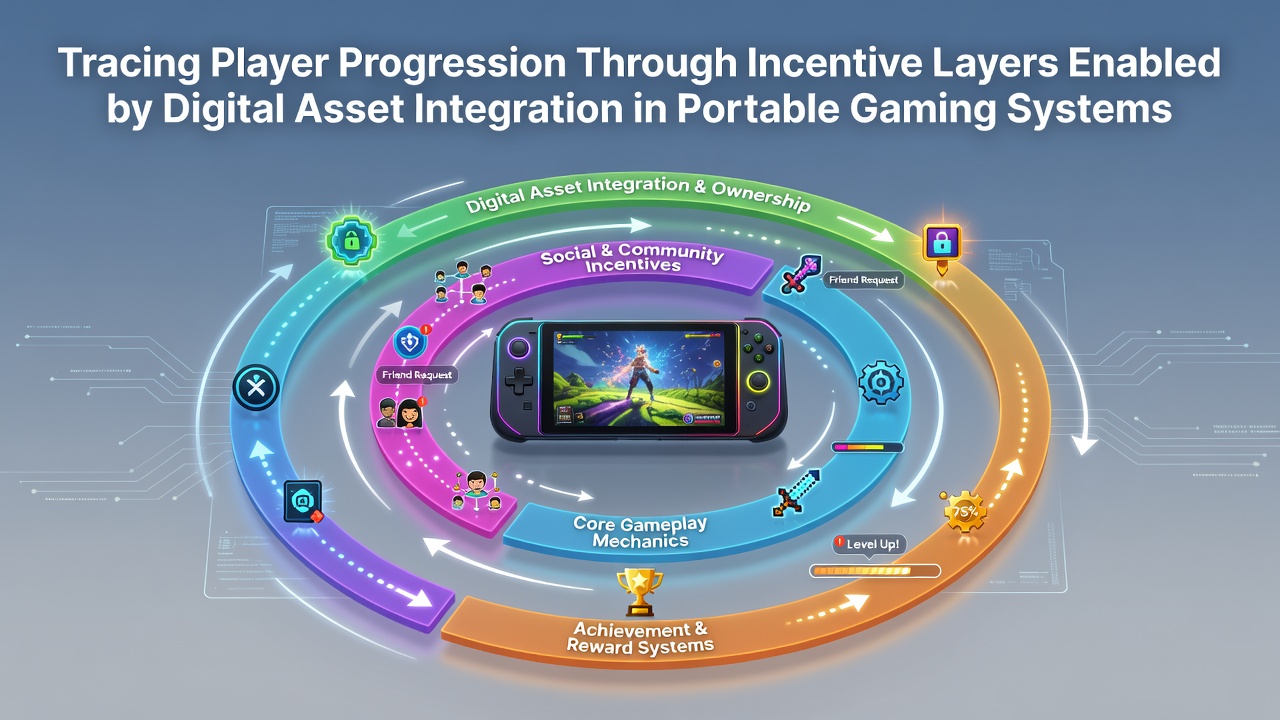
Tracing Player Progression Through Incentive Layers Enabled by Digital Asset Integration in Portable Gaming Systems
Portable gaming systems have evolved to incorporate layered incentive structures that rely on digital asset integration for tracking and advancing player engagement across sessions and devices. These frameworks allow users to accumulate and exchange virtual items, tokens, and collectibles that directly influence progression metrics such as level advancement, skill unlocks, and content access. Data from industry reports shows that mobile and handheld platforms now support seamless synchronization of these assets through cloud-based ledgers and blockchain protocols, enabling consistent player journeys regardless of hardware changes.
Core Components of Incentive Layer Systems
Researchers at academic institutions have documented how incentive layers operate in sequence within portable environments, beginning with entry-level rewards like basic avatars or resource packs and extending to complex tiers involving tradable digital assets. These layers function through algorithmic matching that aligns user behavior with available incentives, and studies indicate that integration occurs via application programming interfaces connecting game servers to external asset registries. In October 2026, updates to several major handheld titles demonstrated expanded compatibility with cross-platform asset wallets, allowing players to carry forward progress without resetting accumulated values.
Observers note that digital asset flows create sequential reward pathways where early achievements unlock mid-tier opportunities, while sustained participation grants access to premium layers featuring unique or limited-edition items. This structure relies on real-time data exchange between the portable device and centralized databases, ensuring that asset ownership records remain accurate even during offline periods when synced upon reconnection.
Mechanisms of Digital Asset Integration
Integration begins with standardized protocols that embed asset metadata directly into game files on portable systems, permitting verification of ownership through cryptographic signatures. Those who have examined these systems find that portable gaming frameworks often utilize hybrid models combining centralized servers for core gameplay with decentralized elements for asset trading and transfer. Evidence from development case studies reveals that such dual approaches reduce latency on mobile networks while maintaining transparency in asset history, which proves essential for player trust in progression tracking.
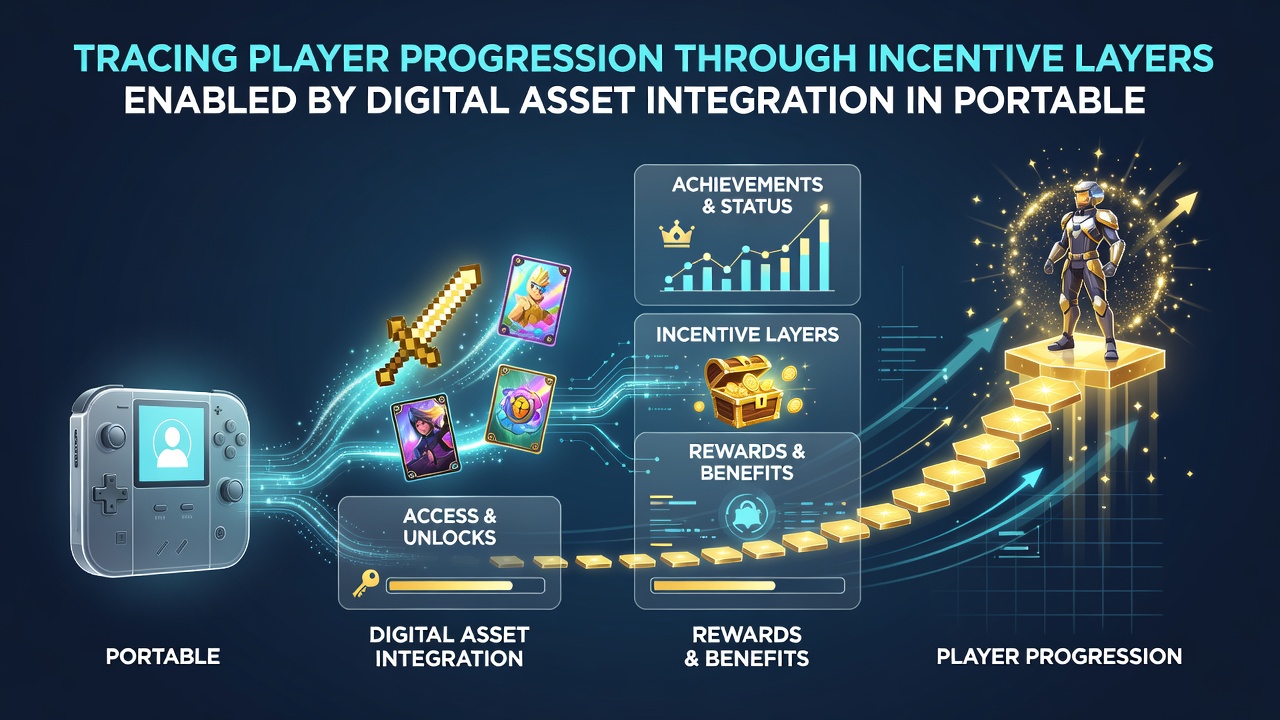
Portable devices equipped with near-field communication capabilities further support asset integration by enabling short-range transfers between users, and this feature has seen adoption in titles released throughout 2026. According to figures from the Entertainment Software Association, handheld gaming revenue tied to digital collectibles grew steadily as developers refined these transfer functions to prevent duplication or loss during exchanges.
Mapping User Journeys Across Layers
Player progression mapping involves charting how individuals move through incentive stages, with each transition triggered by specific conditions such as accumulated playtime, task completion, or asset combinations. Data indicates that portable systems employ predictive algorithms to suggest next-layer incentives based on prior activity patterns, thereby guiding users toward sustained engagement. One documented example involves a popular role-playing title on tablets where asset integration allowed characters to evolve visual and functional attributes across multiple hardware generations without data loss.
Those studying these ecosystems have observed that geographic variations influence adoption rates, with markets in Asia-Pacific regions showing higher volumes of asset trades facilitated by local payment gateways integrated into the gaming apps. In contrast, European platforms emphasize compliance with data protection standards during asset verification processes, as outlined in guidelines from the European Games Developer Federation. These differences shape how progression pathways are designed and experienced across regions.
Technical Challenges and Platform Adaptations
Challenges arise when portable hardware limitations affect the speed of asset rendering or synchronization, prompting developers to implement lightweight verification methods that prioritize essential data packets. Research indicates that battery and storage constraints on mobile devices necessitate optimized compression techniques for asset files, ensuring that progression tracking remains uninterrupted during extended play sessions. Developers have responded by creating modular incentive layers that load progressively, adapting to device capabilities while preserving the integrity of digital asset records.
Network variability presents another factor, yet many systems now incorporate offline caching mechanisms that log progression events locally before uploading to central ledgers upon stable connection. This approach maintains continuity in incentive accrual even in areas with intermittent connectivity, supporting broader accessibility for users of portable gaming systems worldwide.
Conclusion
Tracing player progression through these incentive layers reveals a structured yet adaptable system driven by digital asset integration in portable gaming. The combination of sequential rewards, algorithmic personalization, and cross-device compatibility continues to define how engagement unfolds on mobile and handheld platforms. As integration standards advance, the capacity to map and support these journeys expands accordingly, reflecting ongoing technical refinements documented in industry and academic sources through late 2026.